

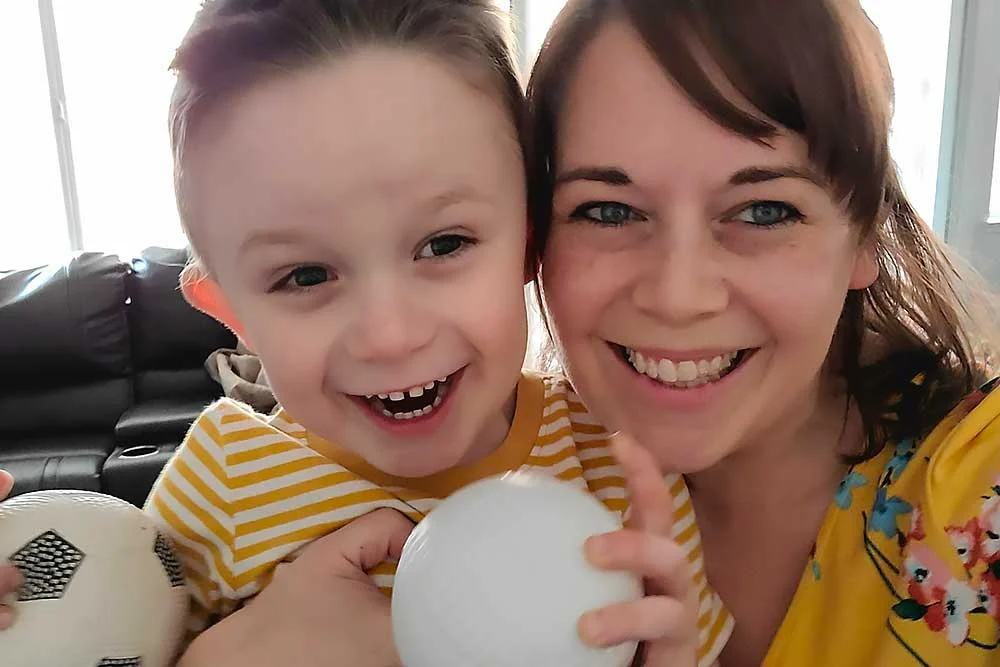
What This Disability Caregiver Wants You to Know
A message for anyone who has ever wondered what the mental load of caregiving really feels like.
Caregiving, especially for someone with profound autism or any individual who needs round-the-clock support, is not just an act of love. It is a full-body, full-heart, full-life commitment. It is a responsibility that reshapes your identity, your energy, your worldview, and your sense of what it means to show up for another human being.
Today, I want to share what disability caregivers wish the world understood. Not to seek sympathy, but to invite understanding. Not to be seen as heroic, but to be seen as human.
This message is for the caregivers who rarely get to speak their truth, and for the community that wants to support them but often doesn’t know how.
The Mental Load You Can’t See
There is a weight caregivers carry that doesn’t show up in photographs, doesn’t count as hours worked, and doesn’t fade even when the house is quiet. It is the mental load, the invisible layer of responsibility that sits on top of every task, every decision, every day.
Caring for someone with profound autism often means you are constantly anticipating needs, preventing crises, adapting plans, and monitoring everything from safety risks to sensory triggers to emotional cues that others might not notice.
Even in moments that look peaceful from the outside, the caregiver is rarely off-duty.
-
Did he eat enough today?
-
Is she about to melt down?
-
How do I keep him safe if something unexpected happens?
-
What happens when I am gone? Who will love them the way I do?
This internal dialogue never turns off. It continues through work meetings, doctor appointments, family gatherings, and the middle of the night. And because much of this work is invisible, people often assume caregivers are “doing fine.” But internal vigilance, sustained for years, without real breaks, is its own form of exhaustion.
Caregivers are not machines. We don’t run on autopilot. We simply don’t have the option to stop.

The Toll on Energy, Identity, and the Constant Feeling of Not Being Enough
Caregiving is not just physically draining; it chips away at your emotional reserves, your patience, your capacity for creativity, and even your sense of who you once were.
Many caregivers describe feeling like their role has replaced their identity:
-
Once, you were a runner.
-
Once, you were a friend who showed up.
-
Once, you had dreams, hobbies, and spontaneous weekend plans.
-
Once, you took care of yourself without guilt.
Caregiving doesn’t erase those parts of you, but it buries them under layers of responsibility, scheduling, worry, and exhaustion. You begin to question your own worth outside the caregiving role. You start to believe that losing yourself is simply part of the deal.
And perhaps the most brutal truth: Even when you give everything — your energy, your patience, your time, your heart — you still feel like it’s not enough.
You worry you’re not doing enough therapy.
Not preventing enough meltdowns.
Not creating enough opportunities.
Not being patient enough, strong enough, loving enough.
The pressure is relentless. The guilt is irrational but pervasive.
Yet caregivers continue. Not perfectly, but persistently. Not effortlessly, but with extraordinary resilience.
Why “Self-Care” Isn’t What You Think It Is
If caregivers had a dollar for every time someone said, “You just need more self-care!” we could fund lifelong services for every disabled adult in the country.
But here’s the truth from someone living this life: for caregivers like me, traditional self-care is a myth.
A bubble bath won’t erase the exhaustion of 3 a.m. wakeups.
A yoga class won’t undo the stress of managing unpredictable or dangerous behaviors.
A lunch date doesn’t change the fear that your child’s future depends entirely on whether the world finally decides to care enough.
We can’t “take a break” from caregiving.
We can’t turn off our phones.
We can’t disappear for a weekend.
We can’t just not show up.
When someone requires 24/7 support, self-care is often replaced by survival care.
Authentic self-care for caregivers looks like:
-
Someone offering respite without being asked.
-
A system that doesn’t make you fight for services.
-
A doctor who listens.
-
A community that stops judging and starts including.
-
Rest that isn’t stolen in five-minute pieces.
If you want to support a caregiver, don’t suggest a bubble bath.
Ask what they actually need — then help deliver it.
What Caregivers Wish the World Understood and How You Can Make It Better
Caregivers aren’t looking for pity. What we want is partnership, proper community support that lightens the load and honors the humanity of the person we care for.
Here’s what we want you to know:
1. See the person, not just the disability.
Caregivers love fiercely, not out of obligation, but because the person they support is a whole human being deserving of joy, dignity, and opportunity.
2. Ask what we need, and listen.
Every caregiver’s situation is unique. The best help is informed, practical, and offered without judgment.
3. Don’t assume we’re okay because we seem strong.
Strength is often a mask. Functioning is often a necessity. We do not have the luxury of falling apart.
4. Celebrate our loved ones’ progress, no matter how small.
A new word. A calm transition. A joyful moment.
These are victories worth acknowledging.
5. Advocate with us, not just for us.
Support policies, organizations, and community programs that build a world where people with disabilities and their caregivers can thrive.
A Closing Message to the Caregivers Out There
If you are caring for someone with profound autism or another disability that requires full-time support, I want you to hear this:
You are not failing.
You are not falling short.
You are not invisible.
Your exhaustion is evidence of your commitment.
Your worry is evidence of your love.
Your perseverance is evidence of your strength.
You may not hear “thank you” often enough.
You may not get breaks that others take for granted.
But your work matters. Deeply.
It matters to your loved one.
It matters to your community.
It matters to the world.
And here at the Christopher Smith Foundation, it matters to us.
We honor you.
We see you.
And we are committed to building a world where caregivers receive the recognition, support, and compassion they deserve.